Understanding the Significance of Insulation in Maintaining Comfortable Living Spaces
Insulation plays a pivotal duty in producing comfortable living rooms by controling interior temperatures and boosting power performance. Comprehending the different types of insulation materials and their specific applications is important for maximizing home comfort.
Just How Insulation Functions
Insulation functions largely by creating a barrier between conditioned interior air and the exterior atmosphere, thereby decreasing warmth transfer. This procedure is essential for keeping the wanted temperature within a building, whether it is maintaining warm throughout colder months or keeping it trendy in warmer months. Insulation resolves 2 key devices: conduction and convection.
Conduction is the transfer of heat via products. Insulation products, such as fiberglass, foam, and mineral woollen, have reduced thermal conductivity, which indicates they do not conveniently allow warmth to go through. This high quality is essential in avoiding undesirable warmth loss in winter season and warm gain in summertime.
Convection, on the various other hand, includes the activity of air. Insulation aids to decrease the air movement that can bring warm far from or right into a space. By trapping air within its fibers or framework, insulation produces pockets of still air that serve as an added barrier to heat transfer.
Advantages of Correct Insulation
Proper insulation offers countless benefits that extend past simple temperature level control. Among one of the most significant advantages is energy efficiency. By reducing heat loss in wintertime and warmth gain in summer, appropriate insulation minimizes the energy needed for heating and cooling down systems. This not just decreases power costs yet also lessens the ecological impact of energy intake.
One more essential advantage is boosted convenience. Insulation creates a much more stable indoor environment, avoiding drafts and chilly places that can result in pain. This stability is specifically important in property settings, where preserving a consistent temperature level can substantially enhance the high quality of life for residents.

The long life of building materials is also favorably impacted by appropriate insulation. By lowering the strain on a/c systems and avoiding wetness buildup, insulation can extend the life of structural components and systems, inevitably conserving homeowners on upkeep and replacement expenses.
Kinds of Insulation Materials
When selecting insulation materials for a building, it is vital to take into consideration numerous choices that cater to certain needs and applications. One of the most common types of insulation products include fiberglass, foam board, cellulose, and spray foam.
Fiberglass insulation, usually readily available in batts or loose fill, is recognized for its cost-effectiveness and thermal performance. It is non-combustible and resistant to wetness, making it appropriate for an array of applications.
Foam board insulation supplies an inflexible form of insulation with high thermal resistance. It is particularly reliable for outside walls, foundation walls, and below-grade applications. Its light-weight nature and ease of installment additionally enhance its charm.
Cellulose insulation, made from recycled paper items, is an environmentally friendly alternative that efficiently minimizes air leakage and provides excellent soundproofing high qualities. It is commonly mounted as loose fill, making it suitable for attics and wall surface tooth cavities.

Each of these products offers special advantages, permitting tailored services to meet details insulation needs in various settings.
Typical Insulation Mistakes
While numerous home owners concentrate on picking the ideal insulation material, they usually neglect vital installation errors that can significantly undermine energy efficiency. Even a small split can allow conditioned air to leave, leading to raised power prices.
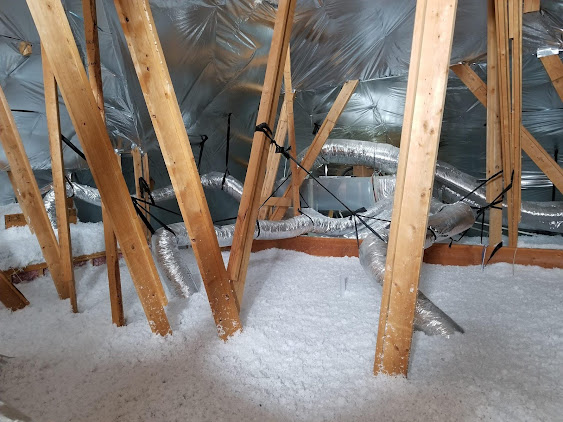
Disregarding to think about dampness obstacles is one more vital error. Without appropriate vapor barriers, insulation can soak up wetness, bring about mold development and a decrease in thermal efficiency. Last but not least, overlooking regional building regulations can result in insufficient insulation, which might not follow energy performance standards.
Tips for Insulating Your Home
Insulating your home efficiently is essential for boosting energy m insulation efficiency and comfort. To accomplish optimal insulation, begin by examining your existing insulation Click This Link degrees, especially in attics, walls, and cellars. Green Attics HVAC Repair Prosper. Upgrading or adding insulation in these locations can considerably decrease energy expenses and improve interior environment control
When picking insulation products, think about variables such as R-value, which suggests thermal resistance. Higher R-values offer much better insulation, specifically in extreme climates. Usual products consist of fiberglass, foam board, and cellulose, each with special residential properties and applications.
Correct installation is just as important. Ensure that insulation is uniformly dispersed and without spaces to avoid air leakages. Green Attics Prosper. Pay special focus to areas around home windows, doors, and electric outlets where heat loss prevails
Additionally, think about air sealing your home to complement insulation. Use caulking or weatherstripping to secure fractures and openings, which can further improve energy efficiency.
Last but not least, speak with a specialist if you're uncertain about the very best insulation options for your home. By executing these tips, you can develop a more comfortable living setting while decreasing power costs.
Conclusion
Finally, insulation plays a crucial role in developing comfortable living settings by lessening warm transfer and enhancing energy efficiency. The benefits extend past temperature level policy, adding to soundproofing and lengthening the lifespan of structure materials. Recognizing the numerous sorts of insulation materials and avoiding common mistakes can lead to improved interior environment and reduced energy expenses. Inevitably, efficient insulation is crucial for fostering a much healthier, much more comfortable, and sustainable living area.